
When a child loses a game, struggles with homework, or gets into a fight with a sibling, frustration can quickly turn into anger. Shouting, lashing out, or refusing to cooperate can leave parents wondering how to help their child respond more calmly.
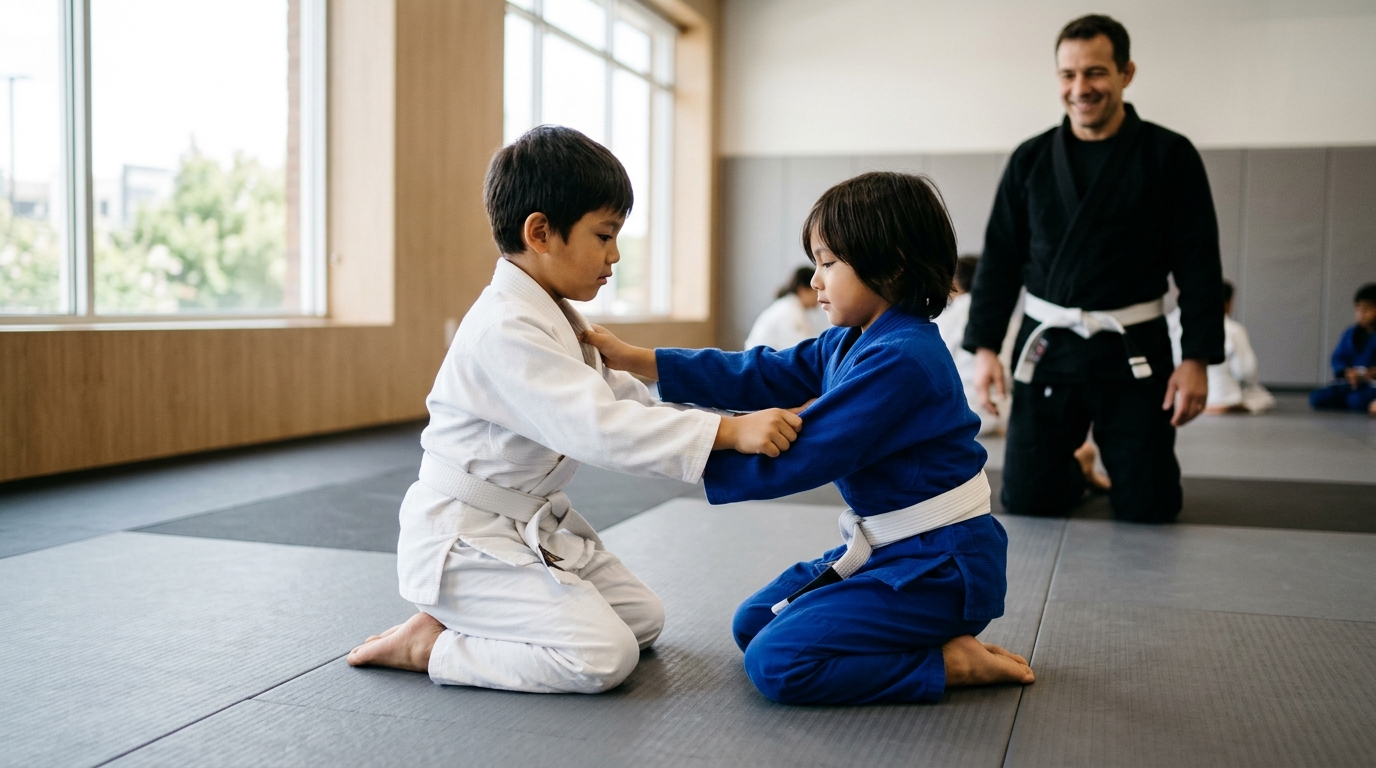
Jiu-Jitsu for kids offers a space to practice patience, discipline, and self-control. Through our guided techniques, partner drills, and age-appropriate challenges, children across Kingston can learn to handle frustration, respect boundaries, and approach difficult situations with greater confidence.
Why Do Kids Struggle to Manage Anger?
At ages 4–6, children are still learning to understand their emotions and express their feelings. When something feels unfair, frustrating, or overwhelming, they may find it difficult to explain what is wrong or control their reactions. Common triggers include:
- Difficulty expressing feelings: Children may struggle to explain when they feel hurt, upset, or overwhelmed.
- Handling disappointment: Losing a game or making mistakes can trigger frustration.
- Impulsive reactions: Strong emotions can lead to shouting, arguing, or lashing out without thinking.
- Facing challenges: Difficult tasks or not getting their way can make children feel frustrated.
5 Ways Jiu-Jitsu Helps Kids Manage Anger
Children can learn to manage anger through consistent practice and guidance. A junior martial arts academy helps them build patience, confidence, and self-control through Jiu-Jitsu.
1. Teaches Kids to Pause Before Reacting
Jiu-Jitsu teaches children to listen to instructions, follow techniques, and respond thoughtfully to their training partners. These activities encourage them to slow down, think before acting, and manage impulsive reactions when they feel frustrated.
2. Builds Patience Through Practice
Learning Jiu-Jitsu takes time and repetition. Children may struggle with a technique before getting it right, teaching them to accept mistakes and keep trying. Over time, they can learn to handle frustration without giving up or reacting angrily.
3. Helps Children Channel Frustration Into Physical Activity
Drills, movement, and supervised grappling give children a structured way to stay active and release energy. Regular physical activity can also support emotional well-being. Combined with guidance from instructors, training helps children practice responding to frustration in healthier ways.
4. Develops Confidence and Emotional Resilience
Mastering a new move or overcoming a challenging drill gives children a sense of achievement. They also learn to accept feedback and try again after setbacks. These experiences can build confidence and help them approach difficult situations with greater resilience.
5. Encourages Respect and Self-Control
Jiu-Jitsu classes teach children to respect instructors, follow rules, and treat training partners carefully. They learn that techniques must be practiced safely and never used to intimidate or hurt others. These lessons reinforce self-control and encourage children to handle disagreements more respectfully.
Research published in Springer Nature suggests that well-designed martial arts programs can support children’s social development and may reduce aggressive behaviour.
Our martial arts classes for juniors help them improve their behaviour. Our team of instructors follows a structured way to introduce them to Jiu-Jitsu and build positive habits.
How Can Kids Apply These Skills Outside the Gym?
Children can gradually use the patience and self-control they practice in Jiu-Jitsu in their everyday lives. For example, they can:
- Pause before reacting: Take a deep breath after losing a game instead of shouting or throwing things.
- Communicate calmly: Ask for help when homework feels difficult rather than getting angry.
- Learn from mistakes: Try again after getting an answer wrong or struggling with a new activity.
- Handle disagreements: Step away from an argument with a sibling and return when they feel calmer.
Our Juniors Brazilian Jiu-Jitsu program helps shape kids into more confident, patient, and self-aware individuals who can manage frustration and handle everyday challenges with greater self-control.
What Should Parents Look for in a Kids’ Jiu-Jitsu Class?
The right Jiu-Jitsu class should help children build skills in a safe, supportive environment. Before enrolling, look for:
- Experienced instructors: Choose instructors who understand children’s learning needs and behaviour.
- Age-appropriate lessons: Classes should teach techniques through clear instructions and manageable activities.
- A focus on safety and respect: Children should learn to follow rules, control their movements, and respect training partners.
- Positive encouragement: Instructors should recognise effort, patience, and progress rather than promote aggression.
- A welcoming atmosphere: Every child should have the opportunity to learn at their own pace without feeling pressured to compete.
Our kids’ Jiu-Jitsu training focuses on helping young learners develop their skills through structured training and guidance. We carefully follow the above pointers and include them in our sessions. Parents can explore our classes to find a supportive way for their children to work on confidence, discipline, and self-control.
How to Fit Jiu-Jitsu Into Your Child’s Weekly Routine
Balancing school, homework, hobbies, and physical activity can be challenging for busy families. A consistent schedule helps children make time for activities that support their growth without feeling overwhelmed.
- Set a consistent schedule: Choose regular training days so children know what to expect and can plan their other activities around classes.
- Balance training with schoolwork: Set aside time for homework, meals, and rest to maintain a healthy routine.
- Encourage consistency: Regular attendance gives children more opportunities to practice techniques, build confidence, and develop discipline.
Our kids’ Jiu-Jitsu classes are held every Monday, Wednesday, and Friday, starting at 7:30 AM. This regular schedule helps families plan and gives children a consistent opportunity to learn and practice Brazilian Jiu-Jitsu.
Help Your Child Build Self-Control Through Jiu-Jitsu
With every class, children get opportunities to learn from mistakes, build confidence, and treat others with respect. Over time, these lessons can help them handle challenges more calmly, both on and off the mat.
Join our kids’ Jiu-Jitsu classes in Kingston and Woodstock to help your child develop resilience, emotional control, and martial arts skills.
Request your child’s free session at Ascended BJJ and Boxing, 307 Wall Street. Discover how our structured martial arts classes help children build confidence, patience, and lasting self-control.
Frequently Asked Questions
Yes, Jiu-Jitsu encourages self-control through structured lessons, clear boundaries, and supervised practice. However, persistent aggression may require additional support from parents or qualified professionals.
Children can start learning Jiu-Jitsu when they’re ready to follow instructions and participate safely. Our kids’ Jiu-Jitsu classes in Woodstock welcome children ages 4–6, with training suited to their developmental needs.
A Juniors Brazilian Jiu-Jitsu program helps children develop coordination, confidence, discipline, and self-control through structured practice. It also encourages patience, respect, and teamwork.
Kids learn basic grappling techniques, balance, coordination, and body control. Classes also encourage discipline, patience, problem-solving, and respect for instructors and training partners.
Kids’ Brazilian Jiu-Jitsu classes in Kingston, NY, take place every Monday, Wednesday, and Friday, starting at 7:30 AM. This consistent schedule helps parents plan their child’s weekly routine around school and other activities.